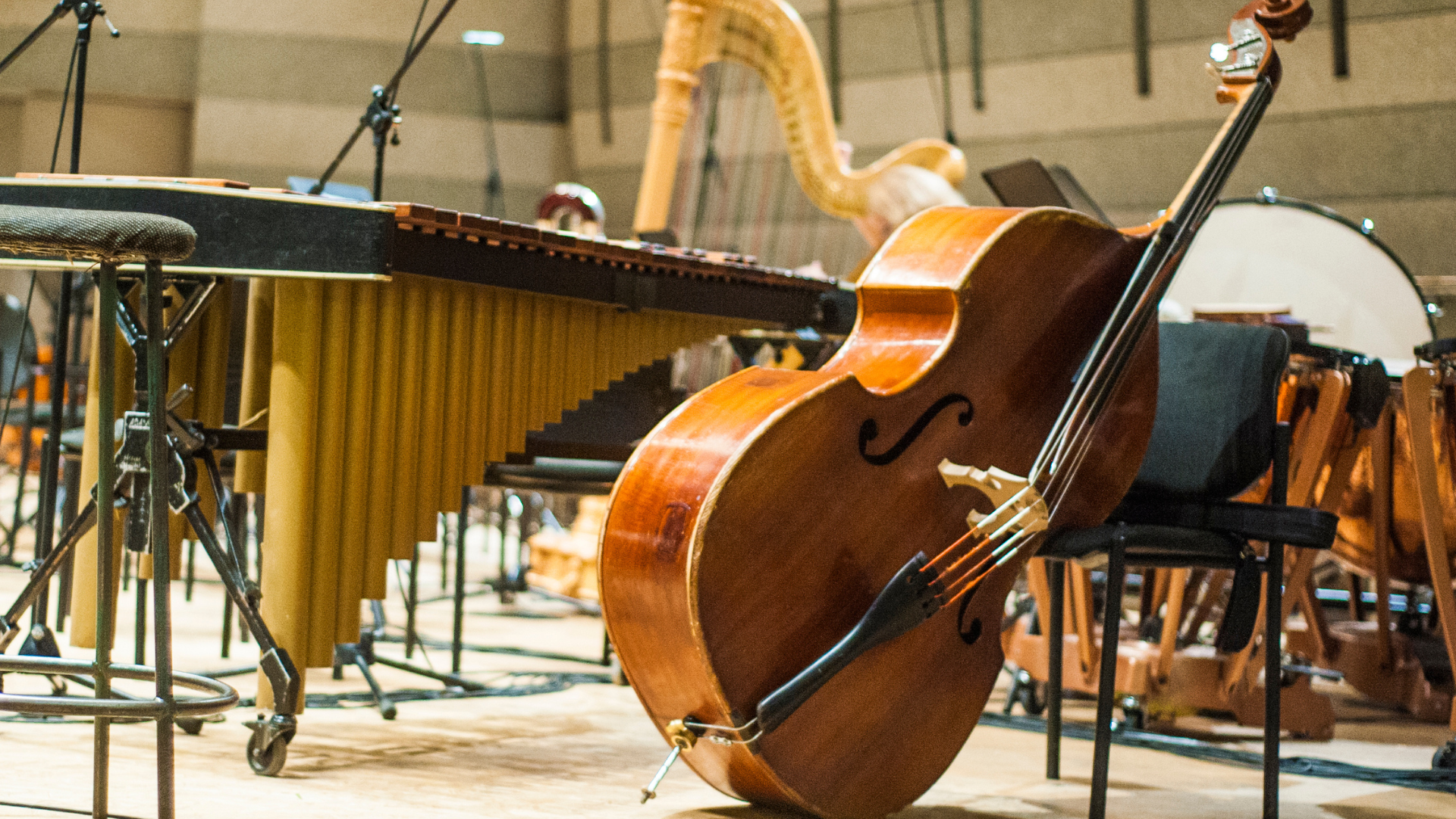
Musical instruments have always fascinated people, but most people associate them with amateur musicians. However, professional musicians and even those who simply want to learn how to play an instrument need access to quality instruments, which is why many choose to rent them rather than purchase. If you also fall into this category, you may be surprised to learn that renting your first musical instrument can be as easy as contacting a local music store or a local music school.
The roots of musical instruments are as varied as the people who play them. The earliest known instruments may have been rattles used by the Neanderthals, whose skeletal remains include many stone instruments.
Moreover, instruments are fun! They bring people together, help you express yourself and your creativity, and whether you lead a band or solo, music can make you feel incredible. What’s not to love? But as much as instruments are wonderful, it can be tough to decide what type of instrument is right for you.
Let’s explore what musical instruments are, what types of instruments exist, and where some of the oldest musical instruments in the world are. A musical instrument is simply any sound-producing object that can be manipulated to produce music. However, this definition is broad, and it could apply to anything from a xylophone to the piano.
A musical instrument is an object that produces sound through vibration. In the simplest form, a musical instrument is an object that produces sound by striking or rubbing against another object. The most common instrument is the human voice. Many instruments, including drums and stringed instruments, are played by striking or rubbing them against or against another object (such as a rubbed string), often with one or more sets of strings.
Now, musical instruments can be as simple as a rattle or whistle or as complex as an electronic synthesizer. They are vital across various cultures, playing a significant role in the expression of music. From folk music to grand symphonies, musical instruments are deeply embedded in cultural traditions, often used in religious ceremonies or social gatherings. Some even believe that music itself played a crucial role in the development of human language.
Instruments produce sound through vibrations, whether from a string, membrane, or other material, generating tones that range from single notes to full chords. They come in many forms, from orchestral instruments like flutes, trumpets, and violins to wind instruments like clarinets and saxophones, and percussion instruments like timpani, cymbals, and gongs. In recent years, alternative instruments like RAV drums and sound healing handpans have also gained popularity, potentially offering unique tonal qualities and meditative experiences that bridge the gap between traditional music and therapeutic practices. In essence, the diversity of musical instruments allows for limitless variations in sound and style irrespective of whether it is played solo or in large ensembles.
Musical instruments are everywhere. While all instruments produce sound, they are used for different musical purposes. They range from traditional string instruments like the violin to electronic keyboards to drums. (Drums are especially popular with toddlers and young children because they get plenty of exercises while learning.)
Musical instruments come in all shapes and sizes. Some are so small you hardly notice them. Others instruments like pianos tend to take up more space. This is because these instruments are accompanied by other accessories like piano benches and stools that can take up extra room. Additionally, some instruments need to be paired with others that take up entire rooms and require an entire orchestra to set up. But no matter what kind of musical instrument you play, they all have one thing in common-they need keys.
A musical instrument, like all other merchandise, has an expiration date. The lifespan of a musical instrument depends on its quality and usage. Depending on its quality and use, a musical instrument may last anywhere from 5 to 20 years. The elements involved in playing a musical instrument also affect its lifespan.
There is no such thing as “one size fits all when it comes to musical instruments.” There are guitars for rock, acoustic, and country music, pianos for jazz, classical, and pop music, drums for blues, rock, pop, and indie music, and the list goes on and on. A musical instrument is basically an instrument that produces sound for music. The sounds produced depend on the instrument’s design and size.
Leave a Reply