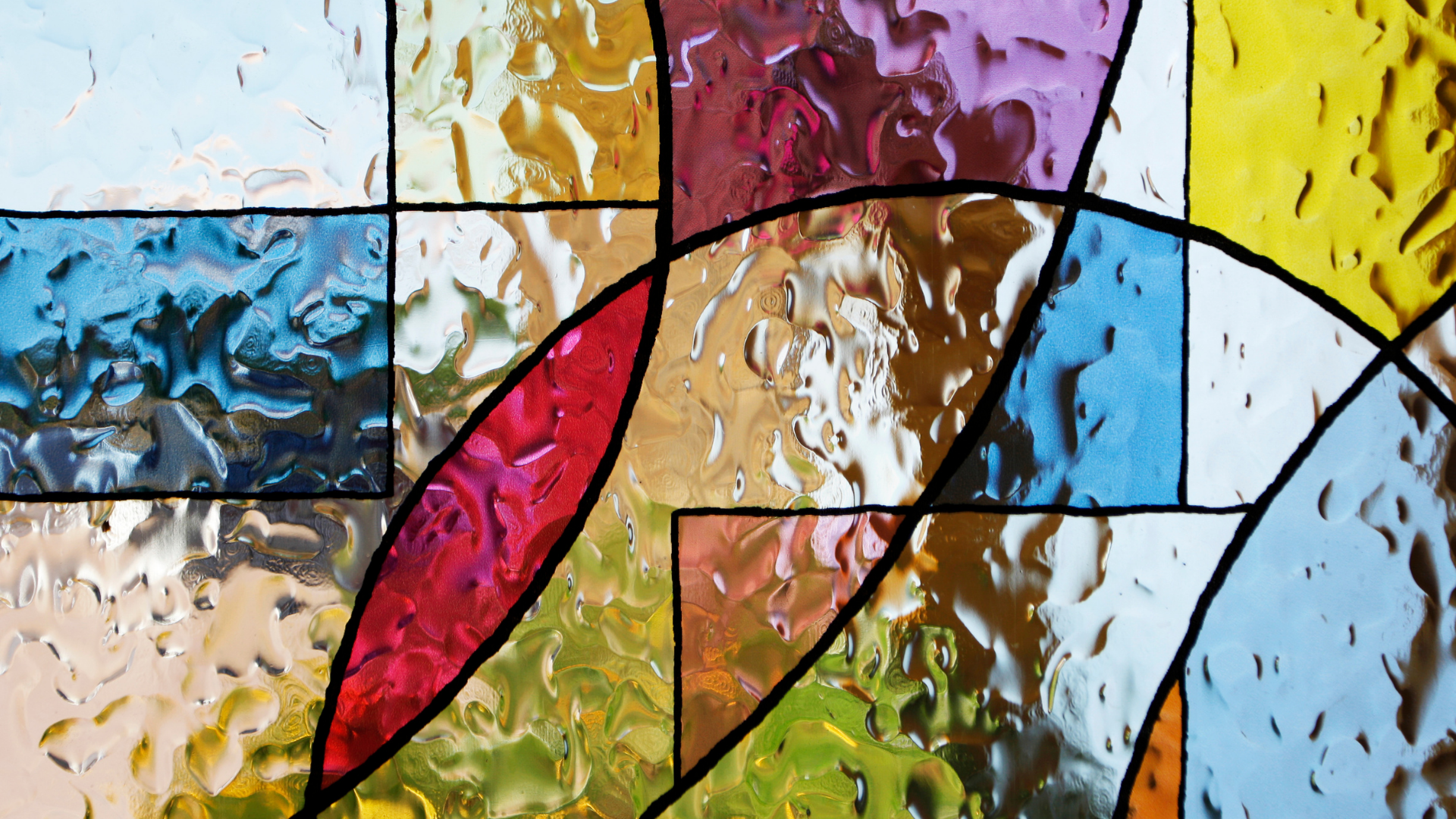
Stained glass is a popular art form that allows you to create vibrant, decorative art pieces for homes, offices, or places of worship. However as this is a complicated process, you may need to understand the process and explore various techniques to achieve your desired results. Glass staining requires applying colored stains to glass surfaces to create intricate designs and patterns with patience, practice, and the right materials.
Start by gathering your materials, including glass pieces, a glass staining kit with colors, a bonding agent, activator, and applicators, as well as safety gear and some cleaning supplies. Then make sure to clean the glass surface thoroughly using a glass cleaner and cloth to remove any residue or grease. If there are instructions in your staining kit, make sure to follow them properly to mix the glass color, bonding agent, and activator, ensuring the mixture is well-combined for even results.
With the help of an applicator, carefully apply the stain mixture to the glass surface, and work in small sections to maintain control over the design. For intricate patterns, use a resist material or outline the design with a pen before applying the stain. Allow the stain to dry completely as per the kit’s instructions. Once it’s dry, carefully heat the glass to cure the stain and set the color permanently.
Different techniques will give you different results in glass staining. Matte staining will create a smooth, non-glossy finish, which is perfect for subtle, elegant designs. Gloss staining can produce a shiny, vibrant finish that is excellent for eye-catching, bold pieces. Reverse staining involves staining the back of the glass to create a unique, mirrored effect. Silk-screening can give you precise, detailed designs by applying stains through a silk screen.
Safety and maintenance are important when you are working with stained glass. Make sure to always wear appropriate safety gear when handling glass and staining materials, and work in a well-ventilated area to avoid inhaling fumes. Make sure to regularly clean your stained glass pieces with a gentle glass cleaner and a soft cloth to maintain their beauty and longevity. Moreover, check your stained glass windows and panels regularly for signs of damage or wear and address any issues as soon as possible to prevent further deterioration.
For successful staining, it is important to select the right type of glass. Different factors such as color, texture, and thickness can affect the result. Some glasses have a slight tint, which can affect the final appearance of the stained piece. Smooth glass is easier to stain, while textured glass can create interesting effects. Thinner glass may be more delicate and easier to break, while thicker glass can be heavier and more challenging to work with.
Fixing common issues can help polish your glass staining technique. If there is uneven coloring, you can fix it by ensuring the stain mixture is well-combined and applied evenly. Practice on small test pieces first to improve your technique. If the stain is not adhering, clean the glass surface before applying the stain to remove any residue or grease. Handle the glass carefully to prevent it from cracking or breaking and consider using gloves to protect yourself during the project.
In addition to selecting the appropriate glass, consider how window shades could enhance your stained glass installation. Installing hunter douglas shades or similar options could not only add an aesthetic element but also help control light, which may affect how your stained glass appears in different lighting conditions. For instance, sheer shades can diffuse sunlight and soften the colors of your stained piece, while blackout shades can create a dramatic effect by minimizing external light. If you prefer an alternative, consider using curtains. Curtains come in various fabrics and patterns, offering flexibility in style and light control. They can also be layered with shades for added insulation or used alone for a softer look.
Once your artwork is complete and ready for installation, you can call in experts in door and window repair in McKinleyville (or your area) to help safely add them to your existing setup. However, with the right tools, and expertise, the installation of window glass can be done by yourself.
In order to maintain the beauty of your stained glass window, consider contacting a professional who can handle it safely. You can find a professional online by searching for “Window Cleaning Boulder“, or in an area near you, to keep your windows shining bright. Keeping your stained glass clean not only improves its appearance but also ensures that the colors remain beautiful and vibrant for a long time. Moreover, a professional may be able to identify any issues early, allowing you to do timely repairs.
Even though glass staining can be a rewarding DIY project, there are some situations that may require professional assistance. Large or complex projects, such as stained glass windows or panels, restoration or repair of valuable stained glass pieces, and installation of stained glass windows may require special tools and expertise. By understanding the glass staining process and trying different techniques, you can create your own stunning artworks that will be remembered for years to come. Don’t be afraid to experiment and develop your unique style as you master this craft.
Leave a Reply